TLDR: Western New York homes don't fit a one-size-fits-all cooling solution. The right system depends on your home's age, structure, and how you heat in the winter. This guide breaks down your real options.
Picking a cooling system in Western New York isn't like buying a new appliance. Rochester and Buffalo homes span more than a century of construction styles, from balloon-frame builds in older city neighborhoods to mid-century ranches and Cape Cods in the suburbs. What works in one house can fall completely flat in another.
Add in our climate, where January can drop below zero and August gets sticky and hot, and it's clear that cooling can't be treated as a standalone decision. It's part of a bigger picture.
Start Here: Your Home's Structure Matters More Than the Equipment
The best cooling system in the world won't keep you comfortable if your home is working against it.
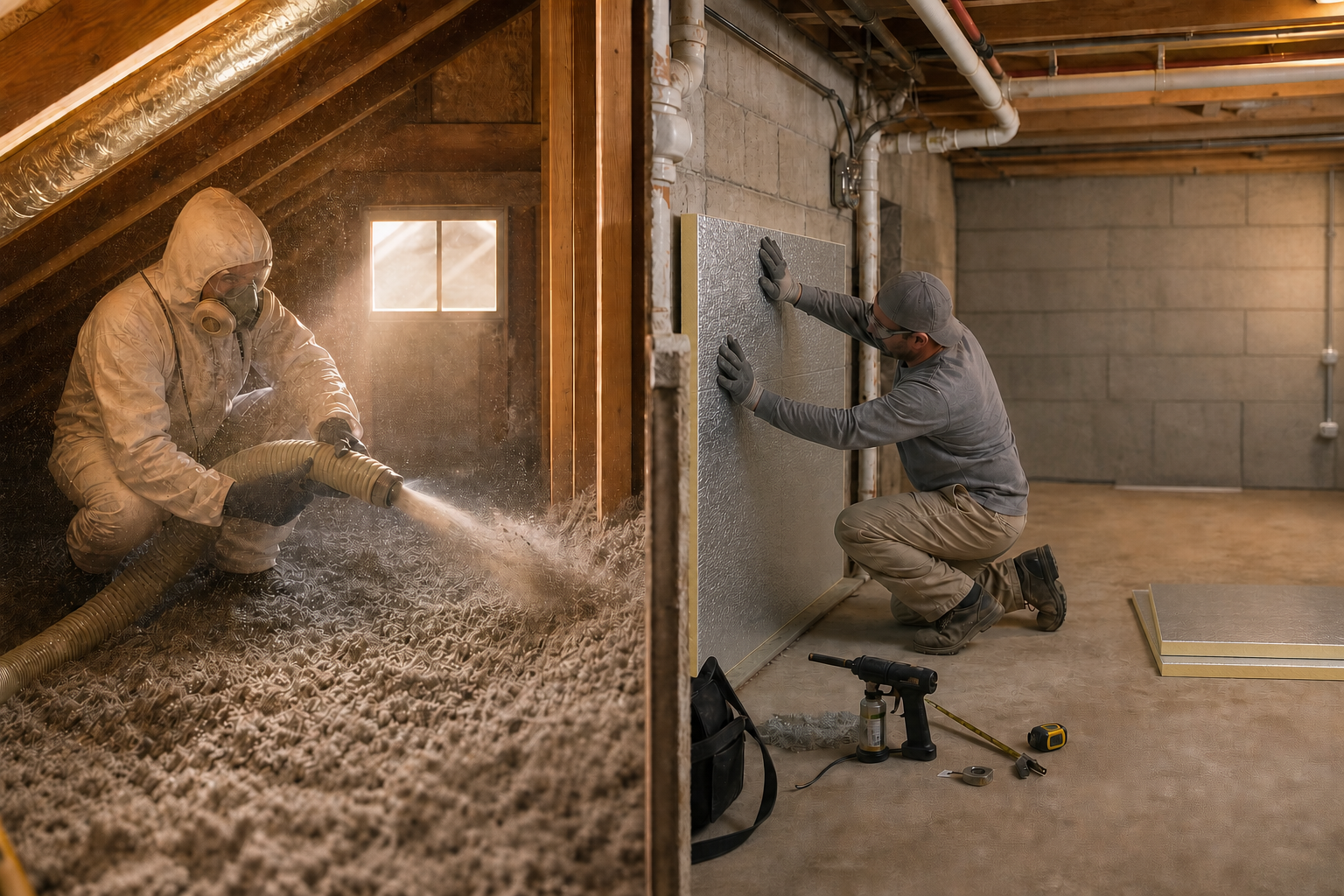
During energy audits across Western New York, we find the same issues over and over. Unsealed rim joists let humid summer air creep into basements, pushing indoor humidity up before your AC even kicks on. Older balloon-frame homes have open wall cavities that run from the basement to the attic, essentially turning your walls into chimneys that funnel hot air straight into your living spaces. We also frequently find what we call an attic "tiger trap," an unsealed gap above a staircase that quietly bleeds conditioned air year-round.
When a house has these problems, any cooling system you install will run constantly trying to compensate. That means more wear on the equipment and higher electric bills every month.
The fix isn't complicated, but it has to come first. Rim joists get sealed with closed-cell spray foam. Open wall cavities get dense-packed with cellulose insulation. Tiger traps get sealed and insulated. Once those gaps are closed, your home holds temperature the way it's supposed to, and the cooling system we spec for you can actually be smaller, quieter, and cheaper to run.
Your Two Main Options: Central AC vs. Cold-Climate Heat Pumps
Once your home is properly sealed and insulated, the equipment decision gets a lot clearer. Most Western New York homeowners are choosing between a standard central air conditioner and a cold-climate heat pump.
Standard central air conditioning is a solid choice if your home already has ductwork and a working furnace. These units are built for one job: cooling your home in the summer. They're straightforward, reliable, and available at multiple performance tiers. Entry-level systems handle the basics, while inverter-driven models run more quietly, cycle less aggressively, and do a noticeably better job pulling humidity out of the air on muggy days.
Cold-climate heat pumps do everything a central AC does in the summer, but they also heat your home in the winter by pulling warmth from outdoor air, even when it's well below freezing. Modern cold-climate models are engineered specifically for winters like ours, and they've become genuinely capable replacements for fossil-fuel heating systems.
For homes without ductwork, or houses like Cape Cods where the second floor is always the hottest room in August, ductless mini-splits offer a targeted fix. A single wall-mounted unit can solve a chronic hot zone, or a multi-zone system can handle an entire home with no ducts required.
For homes that want to go all-in, centrally ducted heat pumps replace both your air conditioner and your furnace in one system. The upfront cost is higher, but when you factor in what you'd spend on a furnace replacement anyway, and the rebates available right now, the math shifts considerably.
How New York State Incentives Change the Equation
The biggest reason heat pump conversations have changed in the last few years is the money now available through New York State programs.
As a BPI GoldStar contractor, Wise Home Energy applies these incentives directly to your invoice as instant discounts. You don't fill out rebate forms or wait months for a check. The savings come off the top.
The NYS Clean Heat Program offers a significant instant rebate for qualifying whole-home heat pump installations. The NYSERDA EmPower+ Program provides deeper assistance for income-qualifying households, with potential discounts that can substantially offset the cost of both insulation and mechanical work. The NYSERDA Comfort Home Program rewards comprehensive weatherization projects with additional instant discounts tied to the scope of work completed.
When these programs are stacked on a project that includes both envelope improvements and a heat pump installation, the out-of-pocket cost often lands surprisingly close to what a standard central AC swap would have cost without any incentives at all.
Cooling System Comparison
| Cooling System Type |
Operational Pricing Range |
Best Suited For |
| Standard Central A/C |
$4,290 – $5,360 |
Homes with existing ductwork needing reliable summer cooling |
| Inverter Side-Discharge A/C |
$5,460 – $5,960 |
Homes wanting premium dehumidification and quieter operation |
| Ductless Mini-Split (Single Zone) |
$4,800 – $6,400 |
Hot attic bedrooms, Cape Cod second floors, or additions without ducts |
| Multi-Zone Ductless Heat Pump |
$11,160 – $11,800 |
Whole-home cooling and heating for homes without central ductwork |
| Centrally Ducted Heat Pump |
$16,000 – $20,900 |
Full replacement of fossil-fuel heating with central cooling |
Common Questions
Ready to Figure Out What Your Home Actually Needs?
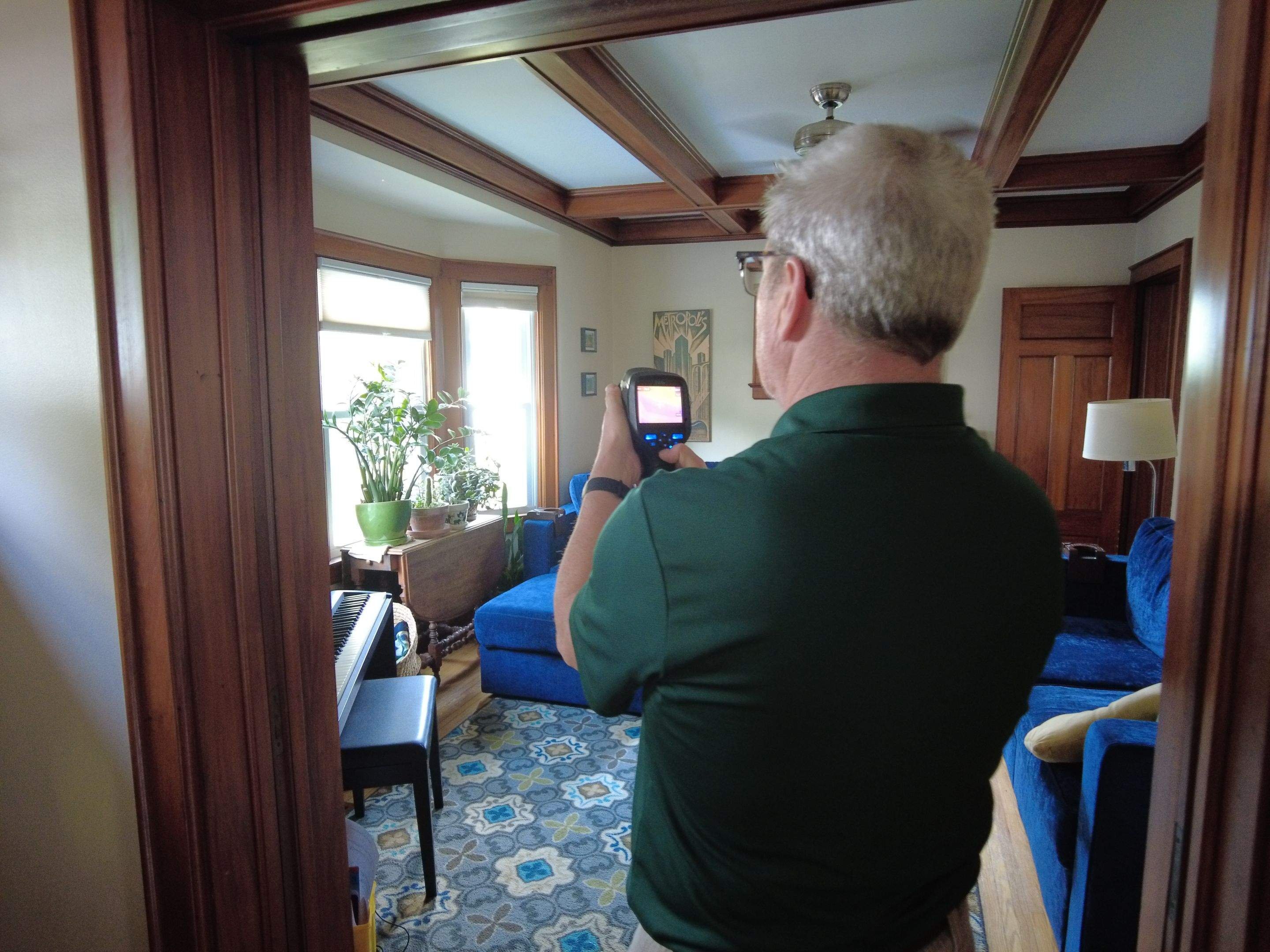
A home energy audit is where this process starts. We'll find the insulation gaps, run the load calculation, and build a cooling plan that fits your house and your budget, including every rebate you're entitled to.
Schedule your audit with Wise Home Energy today.