TLDR: Insulation helps keep Greater Rochester homes cool by slowing the movement of heat from hot attics, walls, and outdoor air into living spaces. Combined with air sealing, it lowers cooling costs, improves comfort, reduces hot spots upstairs, and helps air conditioners work less during Western New York summers.
When most Rochester-area homeowners think about insulation, they think about winter. They spend months dealing with snow, freezing temperatures, and high heating bills. But insulation matters just as much during the summer.
Insulation works by slowing the movement of heat. During winter, it helps keep indoor heat from escaping. During summer, it helps keep outdoor heat from entering your home. The same building science principles apply year-round.
At Wise Home Energy, insulation is treated as part of your home's thermal envelope. This is the barrier that separates conditioned indoor air from outdoor conditions. When that barrier is weak, your cooling system works harder, temperatures become uneven, and energy bills increase.
Insulation Slows Heat Transfer During Rochester's Summer Months
Heat naturally moves from warmer areas to cooler areas. Without adequate insulation, warmer attic heat radiates through ceilings and walls into your cooler living space. Insulation slows the transfer of heat from outside to inside.
The U.S. Department of Energy recommends attic insulation levels of R-49 to R-60 for cold-climate regions like Western New York. Many older Rochester homes have insulation levels well below those recommendations. Homes built before the 1980s often don't have enough attic insulation by today's standards.
When insulation levels are too low, the effects are usually easy to spot. Second floors often become much hotter than the first floor, especially during the afternoon and evening. Air conditioners run longer and more frequently, indoor temperatures fluctuate throughout the day, and rooms closest to the attic can become uncomfortable. As the cooling system works harder to keep up, energy costs typically increase as well.
Wise Home Energy has completed more than 2,700 insulation projects and over 3,000 home assessments throughout the Greater Rochester area. Our experience consistently shows that under-insulated attics are one of the most common causes of summer comfort complaints.
Better insulation means less heat enters your home, which means your cooling system has less work to do.
Why Air Sealing Matters as Much as Insulation
Insulation and air sealing work together to solve comfort problems.
Insulation slows heat transfer, but it doesn't stop air movement. If a home has gaps and leaks in the building envelope, outdoor air can move around or through insulated areas, reducing the overall effectiveness of the insulation.
According to ENERGY STAR, air leaks can account for roughly 25% to 40% of the energy used to heat and cool a home. Air leaks allow outdoor air to bypass insulation entirely.
During summer, warm and humid air can enter a home through dozens of small openings. Common leakage points include attic penetrations, recessed lighting fixtures, plumbing and electrical openings, rim joists, attic access hatches, and gaps hidden inside wall cavities. Most homeowners never see these problem areas, but together they can allow a surprising amount of heat and humidity into the house.
As hot air enters the home, your air conditioner must remove both heat and moisture. That increases energy consumption and can make indoor humidity levels uncomfortable.
That's why Wise Home Energy recommends a building-science approach. Instead of looking at insulation as a standalone upgrade, we evaluate how insulation, air sealing, ventilation, and HVAC systems work together.
To address unconditioned zones, we use closed-cell and open-cell spray foam. Pricing for these services from Wise Home Energy can range from $7.17 to $13.00 per linear foot for standard structural installations depending on the foam type, thickness, and specialized coatings.
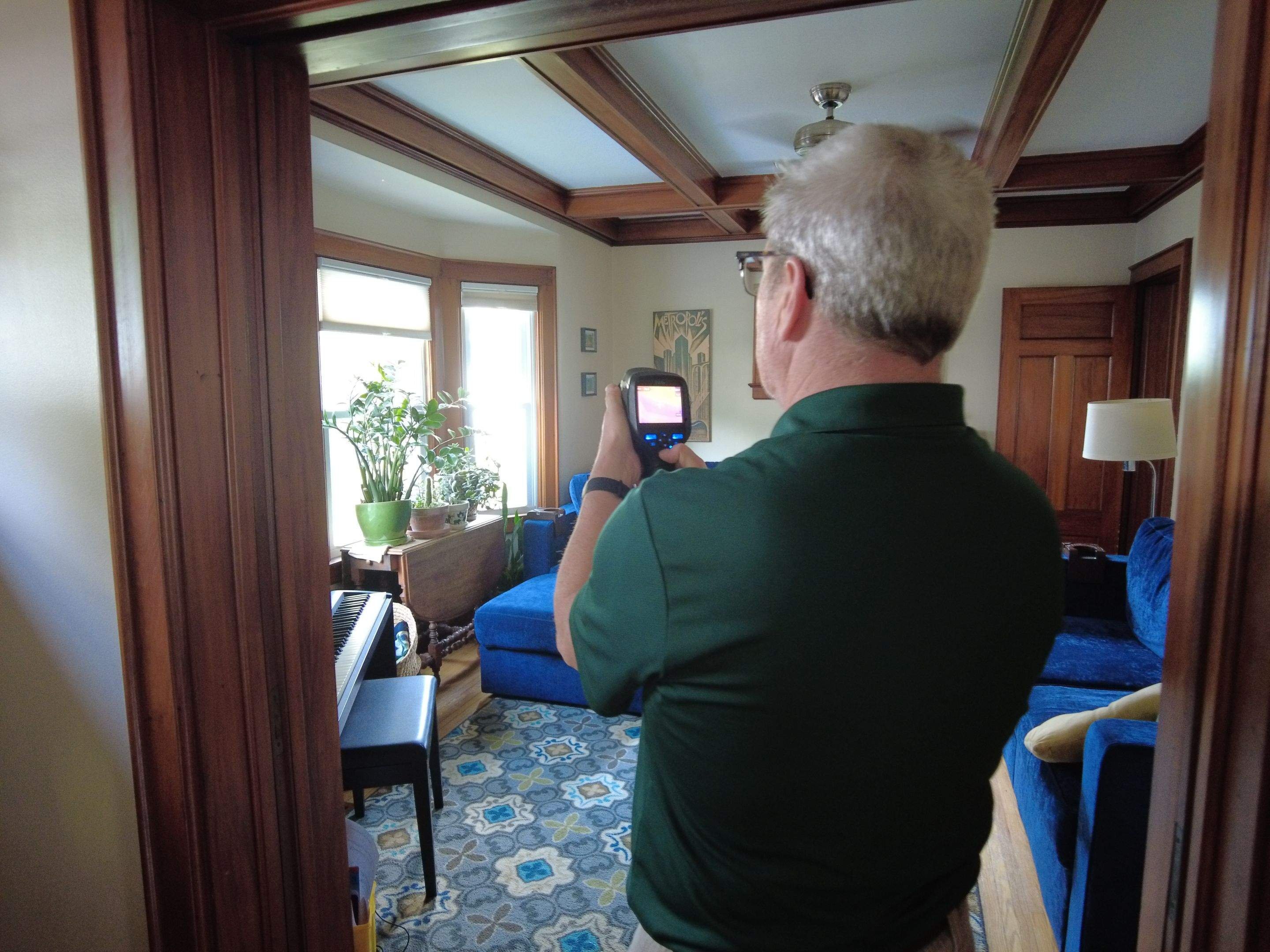
A blower door test, commonly performed during a home energy assessment, can identify hidden leakage pathways throughout the house. Infrared imaging can reveal areas where heat enters through poorly insulated building assemblies.
When air sealing and insulation are upgraded together, homeowners often notice more consistent temperatures throughout the house, lower indoor humidity levels, and fewer hot spots on the second floor. Many also see reduced cooling costs and a noticeable improvement in overall comfort, particularly during stretches of hot, humid weather in the Rochester area.
The Connection Between Insulation and Air Conditioning Performance
Many homeowners assume an uncomfortable home means they need a larger air conditioner. Often, the opposite is true. When insulation and air sealing are inadequate, cooling equipment is forced to compensate through excessive cycling.
After air sealing and insulation upgrades, the cooling system cycles normally instead of running nonstop. This reduces wear and tear on equipment and may help extend HVAC lifespan.
Wise Home Energy encourages homeowners to evaluate insulation before replacing major HVAC equipment. Improving the building envelope can sometimes reduce cooling loads enough to influence equipment sizing decisions. This whole-home approach has become even more important as more Western New York homeowners install high-efficiency heat pumps.
Heat pumps perform best when the home itself is energy efficient. If large amounts of heat enter through the attic and building shell, even highly efficient equipment will struggle to deliver maximum comfort. In many Rochester homes, the attic represents the largest opportunity for improvement because it is often the biggest source of summer heat gain and winter heat loss.
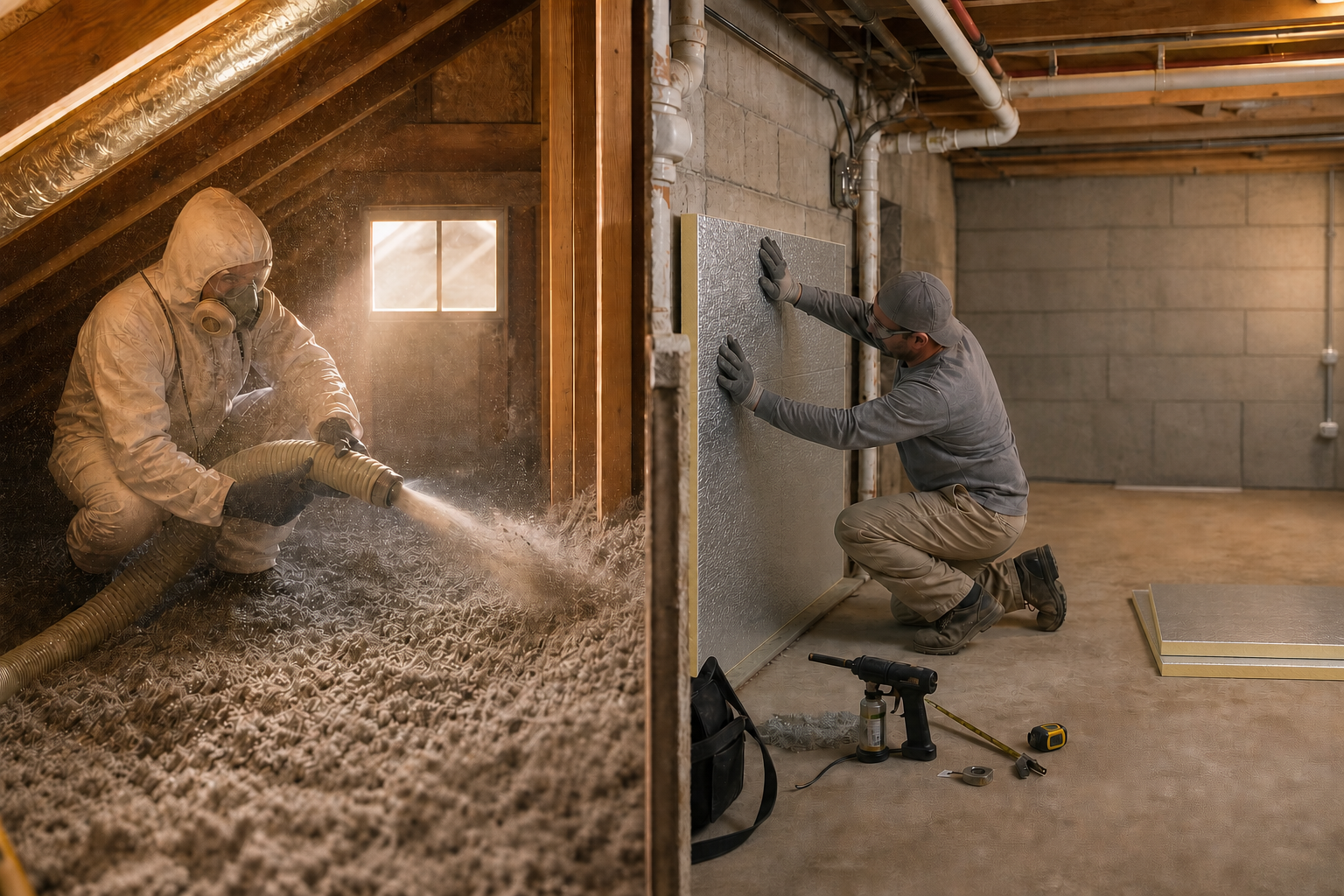
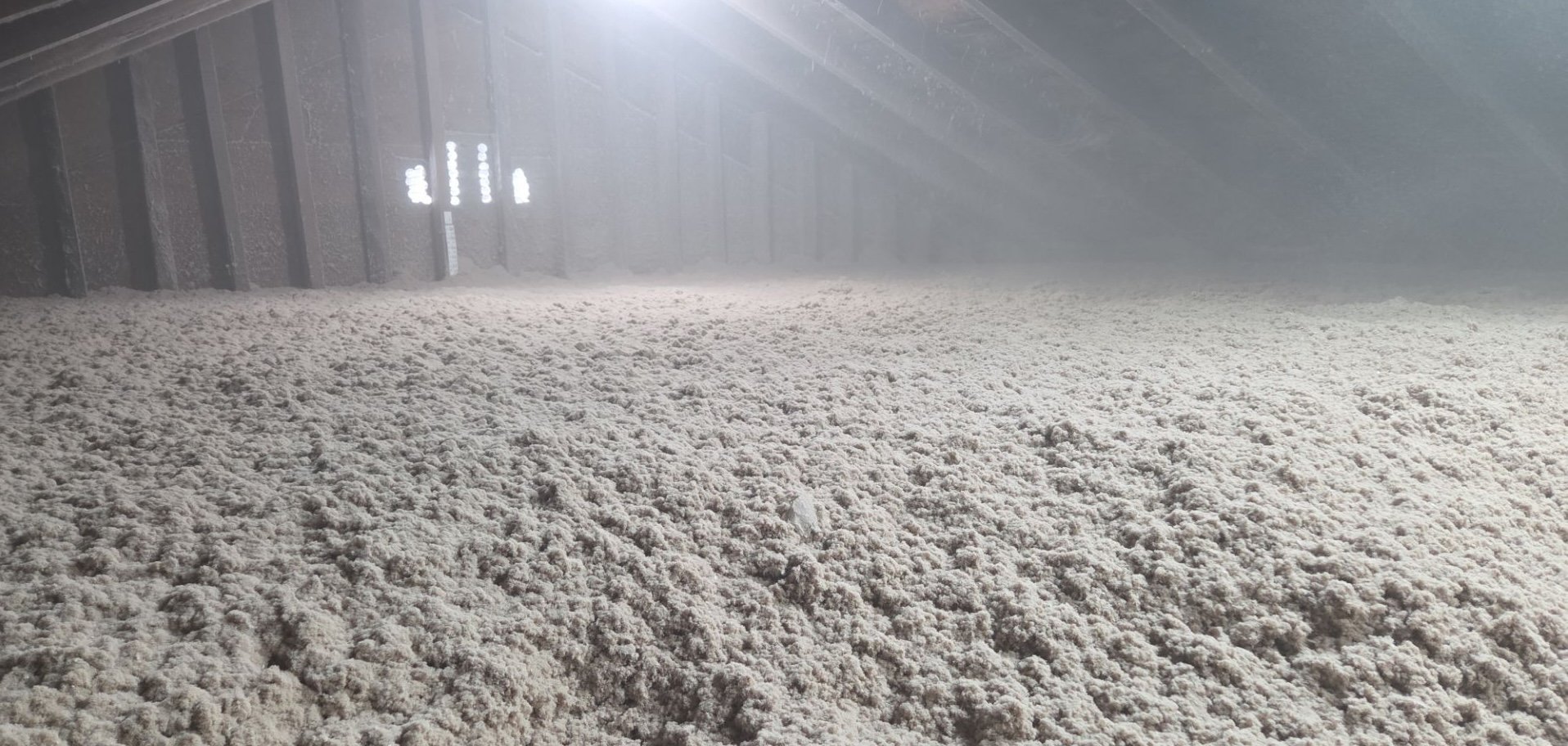
We utilize premium blown and dense-pack cellulose to completely block radiant roof heat from baking into your ceilings, with solutions ranging from $2.07 to $3.65 per square foot, plus targeted hatch treatments up to $500.00 to seal up common hot spots.
The goal is a complete thermal boundary that works with air sealing and proper ventilation. This delivers measurable benefits throughout every season.
Common Questions
Ready to Make Your Home More Comfortable?
For homeowners throughout Greater Rochester, improving insulation is often one of the most effective ways to create a cooler, more comfortable home while reducing energy waste.
Schedule a Wise Home Energy Assessment and get clear answers about your insulation, air leakage, and overall home comfort.