TLDR: Radon is an invisible, radioactive gas that enters Western New York homes through foundation cracks. The U.S. Environmental Protection Agency reports it causes 21,000 national lung cancer deaths annually. Testing with Wise Home Energy or via a state-provided kit is the only definitive way to secure your home's air quality.
Why Radon is a Hidden Risk in Western New York Homes
Radon is a naturally occurring radioactive gas that originates from the decay of uranium found deep within the earth's soil and rocks. It is completely invisible, odorless, and tasteless, making it impossible to detect without specialized equipment. When radon escapes from the ground under a house, it builds up inside enclosed living spaces, creating a severe health hazard. The U.S. Environmental Protection Agency and the Centers for Disease Control and Prevention identify radon as the leading cause of lung cancer among non-smokers in the United States, responsible for approximately 21,000 lung cancer deaths across the country each year.
The danger is prominent across Western New York and the Greater Rochester area. The EPA categorizes Monroe County and several surrounding regions as Zone 2, which indicates these areas possess a moderate to high potential for elevated indoor radon levels. Local geological features contribute to a significant amount of uranium decay in the soil beneath residential neighborhoods. Because radon moves easily through porous materials and open spaces, it finds its way into households regardless of their age, size, or structural design. Data collected by environmental authorities reveals that while the national average indoor radon level sits around 1.3 picocuries per liter of air (pCi/L), regional levels routinely present a much higher baseline risk.
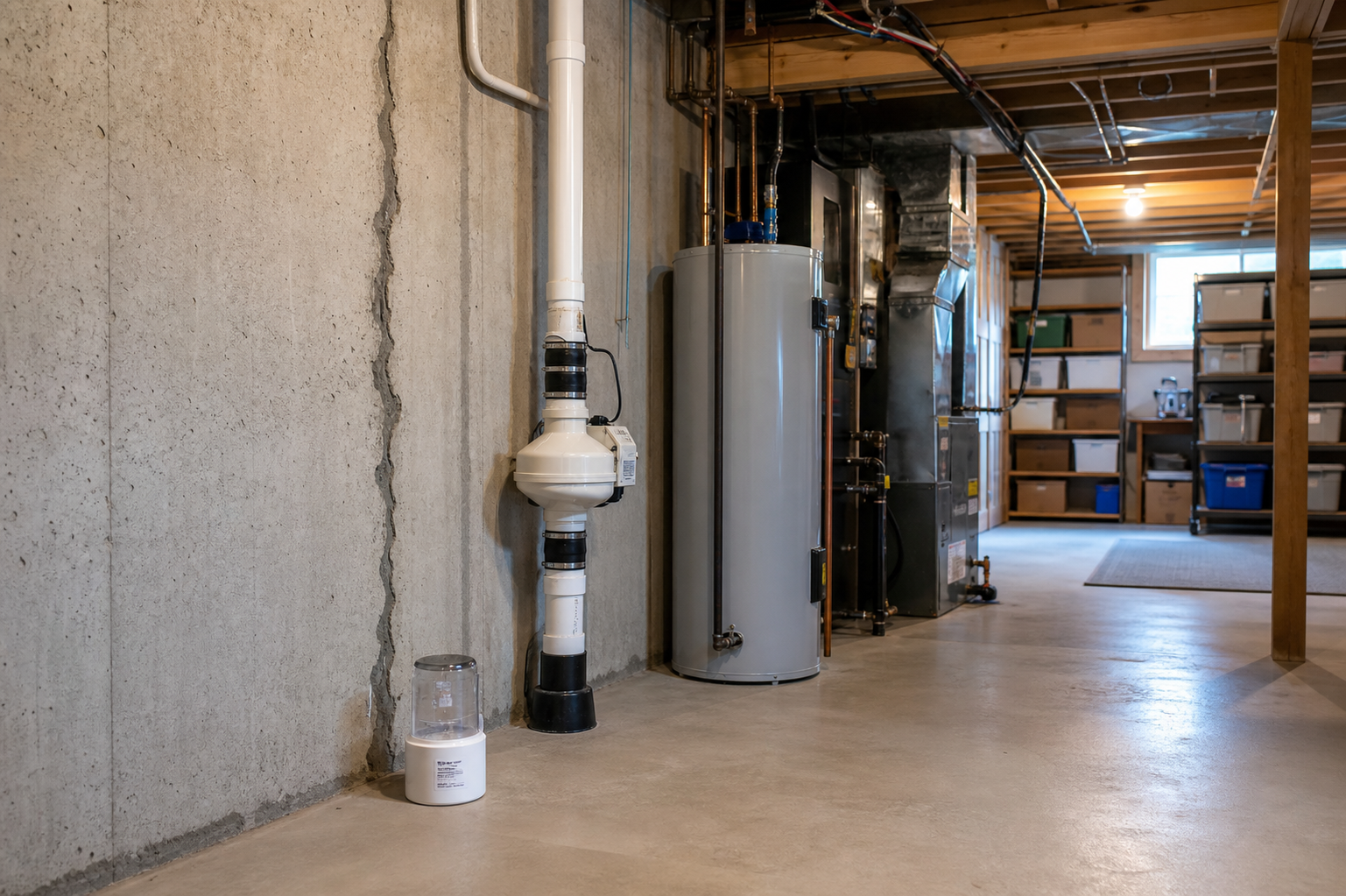
Radon enters homes through cracks in concrete slabs, pores in concrete blocks, slab-footing joints, and gaps around utility pipes. Sumps with exposed soil are another frequent entry pathway. In the Rochester region, many older homes feature block wall foundations. These block walls contain hollow cores that act as direct pathways for radon gas to rise from the earth into your living areas if they are left unsealed. According to the New York State Department of Health, basement radon concentrations across the state average between two to three times higher than first-floor concentrations, and the statewide basement screening estimate for homes above the federal action level is roughly 18%.
The New York State Department of Health strongly recommends taking action to fix your property if testing reveals radon levels at or above 4 pCi/L. Many healthcare and environmental experts suggest considering mitigation even if your levels fall between 2 and 4 pCi/L, because any amount of radiation exposure carries a long-term risk.
How Building Science Contributes to Radon in Your Home
Many homeowners assume that radon is an isolated foundation issue that can be solved with a simple patch, but building science demonstrates that indoor air quality is connected to the entire house as a single system. Air leakage, moisture levels, insulation, and ventilation setups all interact to dictate how radon accumulates inside your living spaces.
A major cause of radon entry to your home is the pressure difference between the interior of your home and the surrounding soil. Warm air naturally rises and escapes through gaps in your attic and upper levels, which creates a vacuum in the lower levels. This vacuum actively pulls radon gas out of the ground and through foundation cracks into your basement or lower living areas.
In addition, the mechanical systems in your home can also make this pressure difference worse. Exhaust fans, clothes dryers, and fuel-burning furnaces pull air out of the house, which increases the negative pressure in the basement and draws in more soil gas. If your home has leaky air ducts running through a crawlspace or basement, the heating and cooling system can distribute radon throughout the entire house. Radon can build up in older drafty houses and modern, well-sealed properties. In poorly insulated, drafty homes, the intense stack effect draws in high volumes of radon gas from the soil. In highly energy-efficient homes that are tightly sealed without proper mechanical ventilation, any radon that enters becomes trapped inside and builds up to dangerous concentrations.
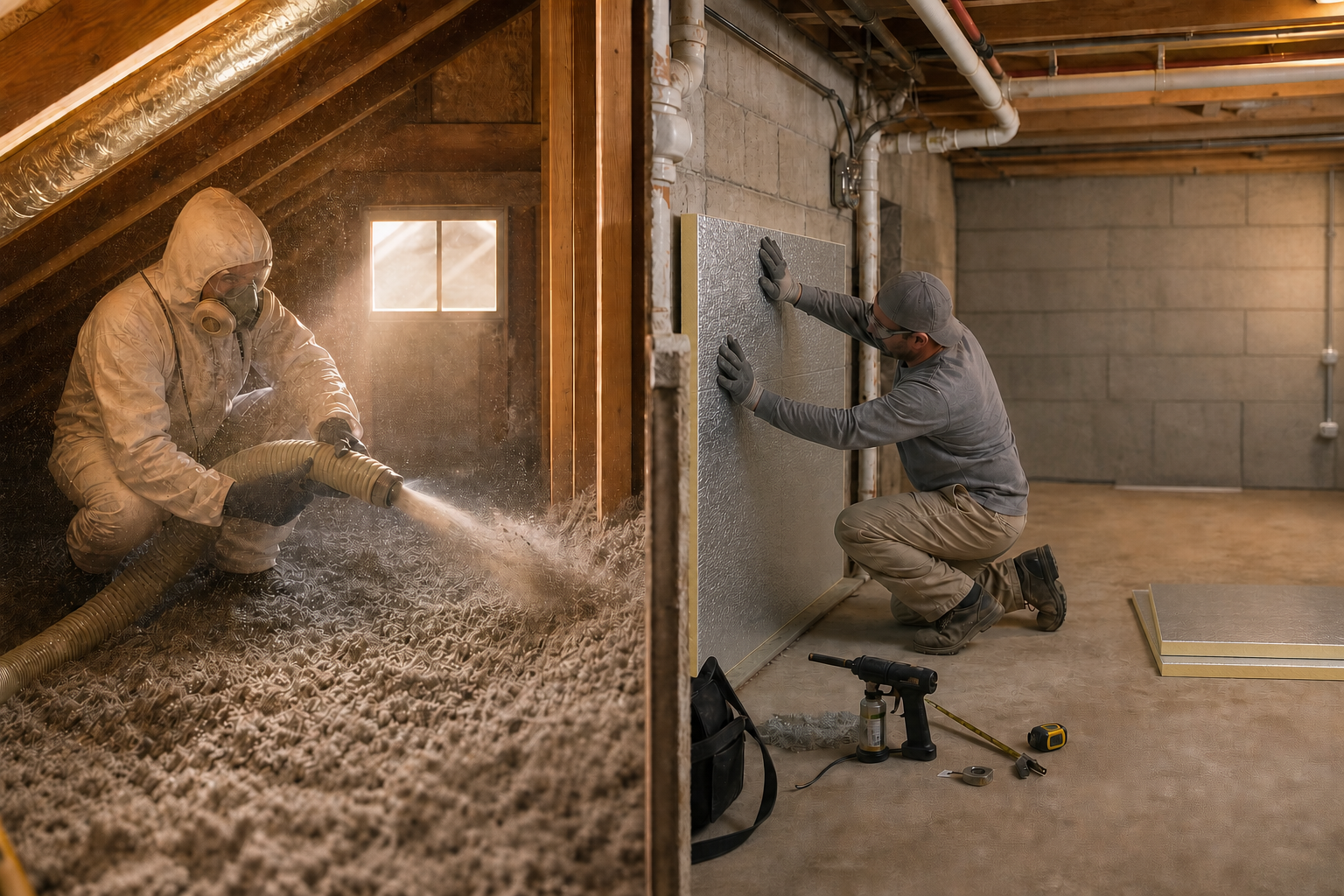
To address the ventilation challenges in modern or newly sealed properties, we often implement advanced mechanical ventilation solutions. Wise Home Energy installs Energy Recovery Ventilator (ERV) systems to continuously introduce fresh, filtered outdoor air while exhausting the indoor air containing radon. These systems are incredibly efficient because they transfer heat and moisture between the incoming and outgoing air streams, keeping your home comfortable without wasting energy. By pairing air sealing with ERV technology, we create a controlled environment that prevents radon buildup and significantly improves overall indoor air quality.
Wise Home Energy looks beyond single symptoms or isolated concerns. Our team evaluates how insulation and air sealing affect the health and comfort of your home. By addressing air leakage patterns and balancing overall household ventilation, we can help reduce the radon that leaks into your home while optimizing your indoor environment.
Assessment Options for Rochester Homeowners
Homeowners in Western New York have multiple options if they have concerns about radon or their general indoor air quality. If you are noticing symptoms such as recurring dust, stuffy rooms, or uncomfortable humidity, these are signs to take action.
The New York State Department of Health offers a streamlined Radon Detector Order Form that allows residents to order a single-use testing device. Radon testing should be completed during the winter months every 5 years, or every 2 years if you have a radon mitigation system. These state-issued kits cost $12.25 when supplies of free promotional kits run out, and the price covers the cost of lab analysis and return shipping. If your home has elevated radon levels, it is important to take action by allowing a qualified radon mitigation contractor to reduce the levels of radon in your home.
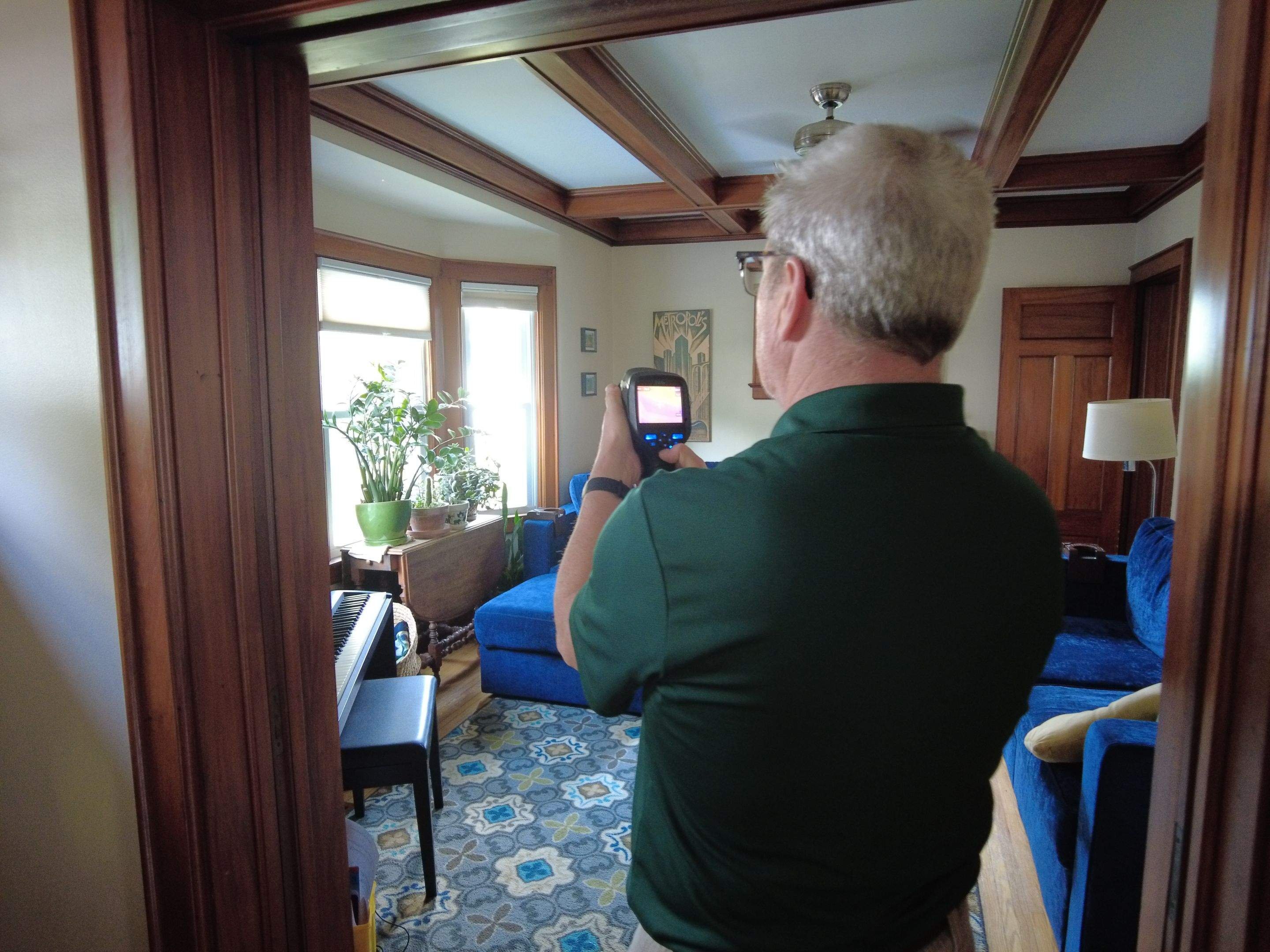
For a deeper look into how your home performs as a complete system, Wise Home Energy provides advanced professional diagnostics. If eligible, we can complete a no-cost air quality assessment through the Empower+ program. This includes testing for issues such as improper ventilation and mold concerns. For homeowners outside of state incentive program eligibility, we offer a Paid Assessment for $300. This complete in-home assessment utilizes thermal imaging, blower door testing, and indoor air quality tests to analyze possible air leaks and air quality issues.
Because radon and other indoor air pollutants fluctuate based on weather changes, barometric pressure, and daily habits, short-term testing only offers a brief snapshot of your environment. For a deeper evaluation, Wise Home Energy provides multi-day monitoring utilizing automated AirAdvice testing systems. Multi-day monitoring from Wise Home Energy can range from $350-450, depending if it is added to a scheduled audit or completed as a singular service.
Frequently Asked Questions
Wise Home Energy uses data-driven analysis to eliminate guesswork when it comes to finding the right solution for your home. If your home requires improved airflow to lower radon levels, our team can install advanced ERV technology to ensure a continuous supply of fresh, filtered air. Schedule an audit with one of experienced building analysts to begin your journey to a healthier home.