Insulation
Air Sealing
Thermal Envelope
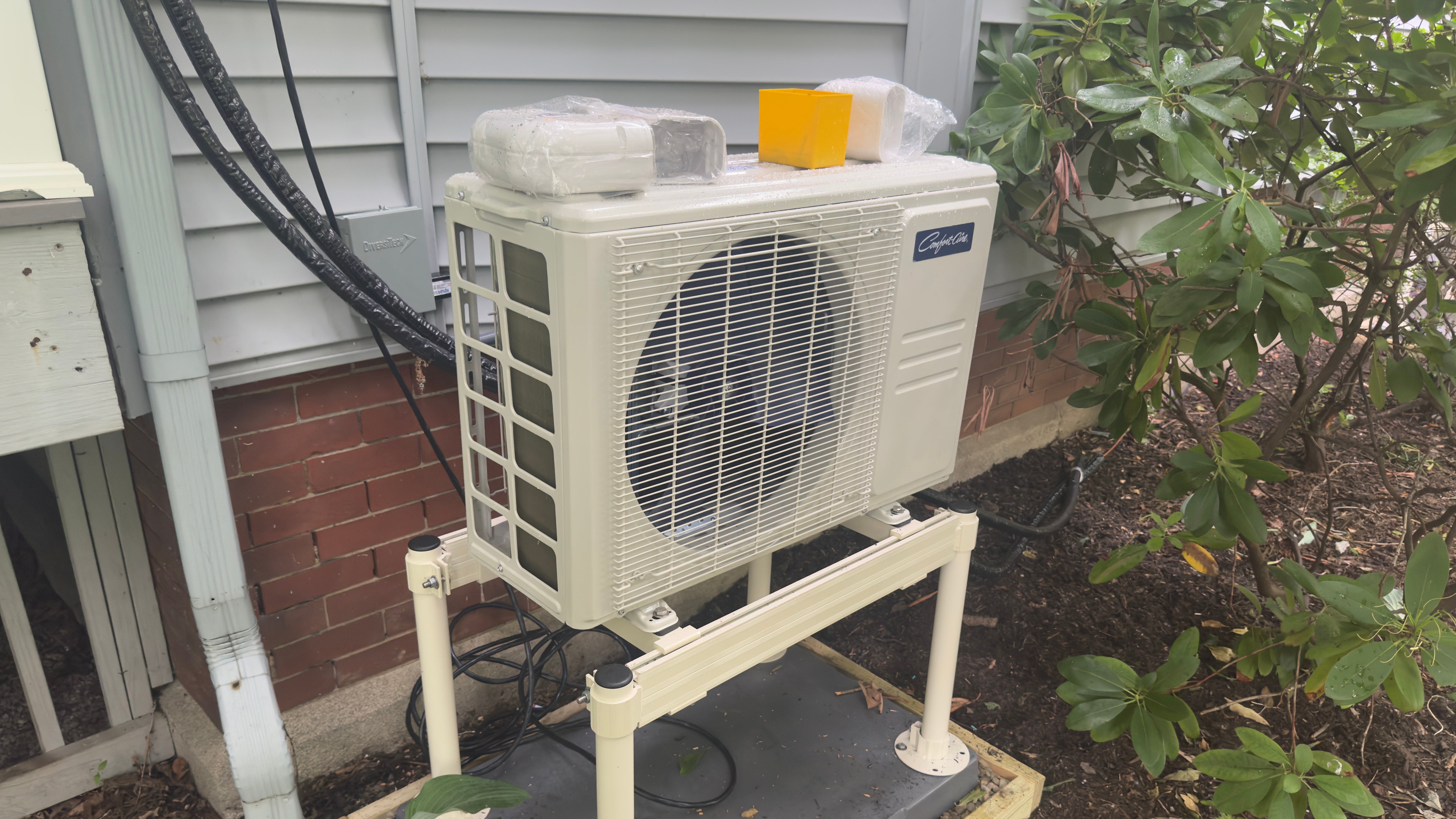


To understand how a heat pump cools a house, you can think of a standard central air conditioner as a one-way heat pump. Both a heat pump and a central air conditioner rely on a refrigeration cycle, using a compressor, an expansion valve, and a chemical refrigerant to absorb heat from one location and move it into another. When your home feels warm, the air conditioner doesn't create cold air. It actively removes thermal energy from inside your living spaces and moves it outdoors.
A cold-climate heat pump operates the same way. Inside the indoor unit, a fan blows warm indoor air across an evaporator coil filled with cold liquid refrigerant. The refrigerant absorbs the heat from your air, causing the liquid to boil into a gas. This cooled air then redistributes through your home. The refrigerant gas travels outdoors to a compressor that squeezes the gas, which raises its temperature and pressure. The outdoor fan blows across the condenser coil, moving the internal heat into the outdoor air.
A single element separates a heat pump from a traditional air conditioner. A reversing valve located in the outdoor unit directs the refrigerant flow to pull heat from the inside and push it outside during the summer. In the winter, the valve flips and reverses the entire process. The system absorbs ambient heat from the freezing outdoor air, compresses it to increase its temperature, and moves it indoors to heat your home. Because the system transfers heat instead of burning a fuel source to create it, it operates more efficiently in both directions.
The economic reality of upgrading to a heat pump in the Rochester region depends heavily on your current heating infrastructure, your home's insulation profile, and your income level. A standard 1,800-square-foot Rochester home, such as a mid-century split-level in Brighton or a classic colonial in Irondequoit, generally requires a 2.5-ton to 3-ton system to manage peak summer cooling demands and deep winter heating loads.
Actual costs, operational impacts, and regional state subsidies vary across the two most common conversion scenarios encountered in Western New York.
Replacing a standard single-stage air conditioner and a mid-efficiency gas furnace with a new equivalent paired system from Wise Home Energy typically ranges from $10,500 to $11,500.
Opting instead for a centrally ducted cold-climate heat pump system, such as a 2.5-ton Daikin SkyAir or a 2.5-ton Amana S-Series Inverter system, carries a standard price range between $16,000 and $17,000.
Because these units meet stringent cold-climate standards, they qualify for instant utility incentives managed under the NYS Clean Heat program through Rochester Gas & Electric (RG&E) or NYSEG. For a whole-load air-source heat pump conversion, this rebate provides up to $6,000 off the invoice price. If your home undergoes a comprehensive home energy assessment and qualifies for a moderate-income subsidy through NYSERDA's EmPower+ program (Tier 3), you can secure an additional instant discount of up to $5,000 to $6,000.
When combining a $6,000 NYS Clean Heat rebate and a $5,000 EmPower+ incentive, the $16,000 baseline heat pump price drops to a net out-of-pocket cost of $5,000. This makes the advanced inverter system significantly less expensive upfront than installing a fossil-fuel furnace and standard AC unit.
Burning oil or propane to heat a home often costs homeowners $3,000 to $4,500 annually in fuel deliveries just to get through a standard Rochester winter. Electric baseboard heating is even more expensive.
Installing an all-electric, multi-zone ductless mini-split system, or a centrally ducted Mitsubishi Hyper-Heat or Daikin Aurora cold-climate system, can save you in energy costs. A 2-head or 3-head cold-climate multi-split configuration carries an equipment installation cost between $11,000 and $17,000, depending on the specific floor plan layouts.
Transitioning away from fossil fuels or baseboards unlocks New York State tier incentives. Combining maximum NYS Clean Heat whole-load rebates can reduce $6,000 directly off the invoice. For low-income households qualifying under EmPower+ Tier 1, NYSERDA provides up to $10,000 to $12,000 in fully subsidized energy efficiency and electrification funding.
On an operational basis, a cold-climate heat pump delivers coefficients of performance (COP) between 1.8 and 2.2 at 5°F. This means for every unit of electricity consumed, it moves roughly two units of heat into the structure. This performance decreases winter heating bills by 30% to 50% compared to propane or oil, while simultaneously providing highly efficient cooling.
A note on rebate and program figures: NYS Clean Heat, NYSERDA, and utility rebate amounts referenced in this article, including RG&E and NYSEG incentive figures, reflect program terms available at the time of publication. These programs are administered by NYSERDA and the local utilities, not by Wise Home Energy, and their funding levels, eligibility rules, and incentive amounts are subject to change at the issuing program's discretion.
Before making a purchasing decision based on any rebate figure in this article, confirm current terms directly with NYSERDA, RG&E, or NYSEG, or contact Wise Home Energy for the most up-to-date guidance for your specific project.
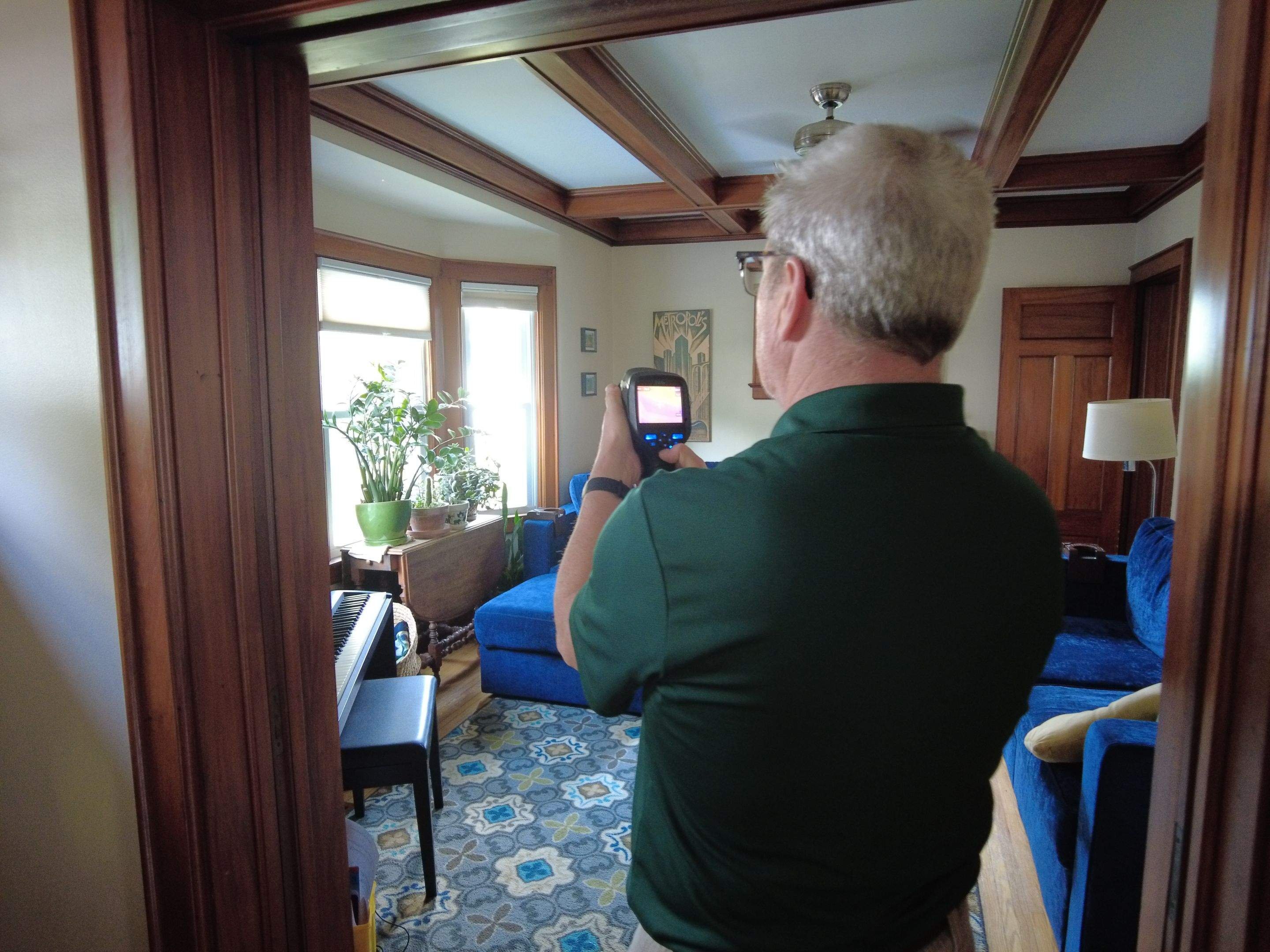
An HVAC system interacts constantly with the structural boundaries of your home, known as the building envelope. In the Rochester climate, our homes experience severe temperature swings, including sub-zero winter wind chills off Lake Ontario and high-humidity summer days. If your home has an under-insulated attic, empty wall cavities, or persistent air leaks, even the most advanced heat pump will struggle to maintain comfortable indoor temperatures.
When a house lacks proper air sealing and insulation, hot, humid air forces its way inside through gaps around basement rim joists, plumbing stacks, and attic hatches. The moisture carried by this air places a large latent load on your cooling system. The heat pump has to work harder to reduce the humidity before it can effectively lower the indoor temperature. This increases electric bills and subjects equipment to unnecessary mechanical wear.
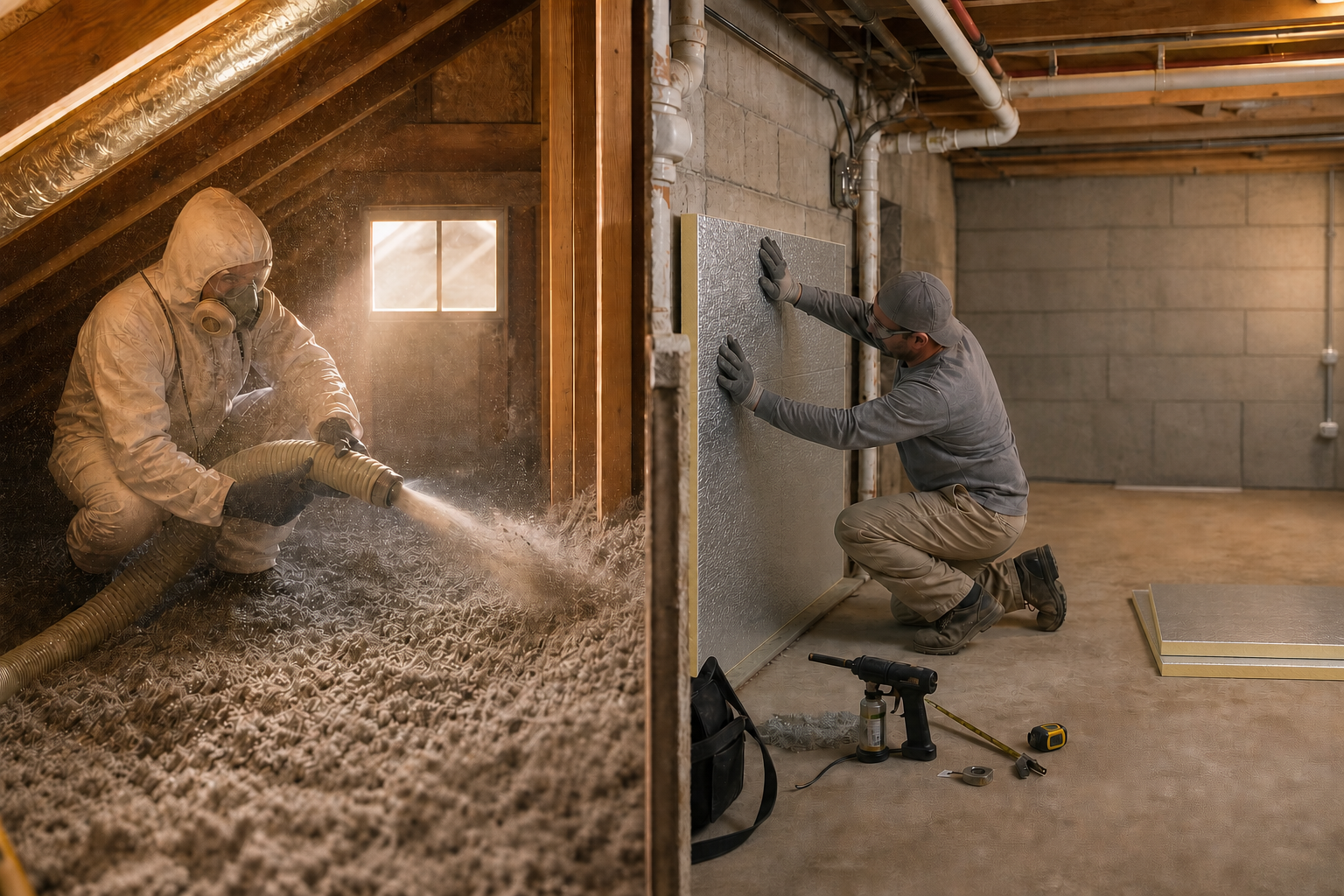
Structural envelope upgrades should be performed alongside or immediately prior to a heat pump installation to prevent this. Targeted air sealing in an attic from Wise Home Energy averages around $200 per hour. In addition, treating a leaky basement rim joist with 2 inches of closed-cell spray foam runs approximately $14 per linear foot. Dense-packing empty exterior wall cavities with cellulose insulation costs between $3.44 and $3.93 per square foot.
Sealing these major thermal leaks reduces the overall heating and cooling load of the house. This allows a smaller, less expensive heat pump system that runs shorter, more efficient cycles to be capable for your home. A properly insulated home will trap the conditioned air inside, ensuring your heat pump keeps the indoor environment perfectly dry and cool all summer long.
Frequently Asked Questions
Yes, heat pumps use the same compressor-driven refrigeration cycles as standard central air conditioners. Advanced inverter-driven heat pumps continuously adjust their speeds to match the cooling load, allowing them to extract moisture more consistently and maintain superior indoor humidity control during sticky summer weather.
It depends on your current panel capacity. Many older Rochester homes use 100-amp electrical service, which may require an upgrade to a 200-amp panel to safely support the electrical loads of a heat pump. A professional panel upgrade typically costs around $4,800 from Wise Home Energy.
Yes, heat pumps require clear airflow to transfer heat out of your home. Homeowners must replace indoor filters regularly, typically costing between $35 to $69. The outdoor unit should also be completely free of weeds, debris, and dirt buildup throughout the summer.
Ducted heat pumps connect to a central air handler and use existing ductwork to distribute air. Ductless mini-splits use independent, wall-mounted or floor-mounted indoor units placed directly in specific rooms, completely eliminating the need for ductwork. Both options provide identical cooling and heating capabilities.
Yes, Rochester homeowners can access low-interest residential energy excellence financing through NYSERDA. These unsecured Smart Energy Loans allow you to finance amounts from $1,500 up to $25,000 with flexible terms of 5, 10, or 15 years, helping to lower upfront cost barriers.
An efficient, high-performance home comfort system begins with real building science data. If you want to find out how a cold-climate heat pump will perform in your home, what size system your specific layout requires, and which rebates your household qualifies for, feel free to contact Wise Home Energy for more information.