
Insulation
Air Sealing
Heating
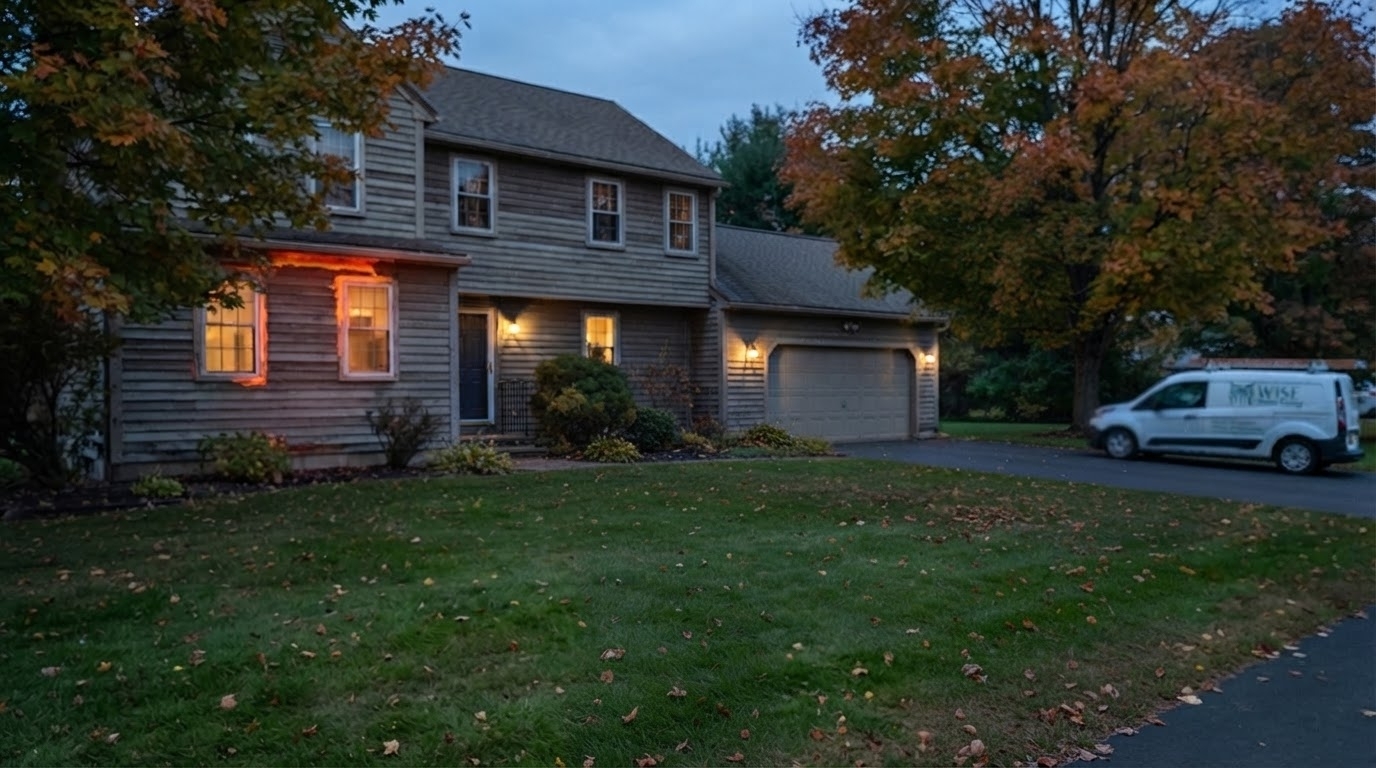


If your heating or cooling bills keep climbing, replacing equipment might seem like the obvious fix. But in many Rochester and Western New York homes, the real energy waste is happening in the building itself. Gaps in your thermal envelope, leaky ductwork, and undersized or oversized HVAC systems can quietly cancel out whatever efficiency a new unit promises. Wise Home Energy helps homeowners identify these hidden issues through diagnostic testing before any equipment decisions are made.
This article walks through the most important efficiency improvements you should consider before replacing your heating or cooling equipment. Each fix targets a specific cause of energy loss that, if left unaddressed, will limit the performance of any new system you install.
Your building envelope is the barrier between conditioned indoor air and the outdoors. When gaps exist around rim joists, recessed lights, plumbing penetrations, and electrical outlets, heated or cooled air escapes before it reaches your living spaces.
In older balloon-frame homes common across Rochester, open wall cavities can run from the basement to the attic, essentially turning walls into chimneys for rising warm air. Air sealing these pathways with closed-cell spray foam or caulk stops the airflow and lets your existing equipment work more effectively.
Heat rises, and in a home with insufficient attic insulation, a significant portion of your heating energy goes straight through the ceiling. According to ENERGY STAR, sealing and insulating can reduce heating and cooling costs noticeably across most home types.
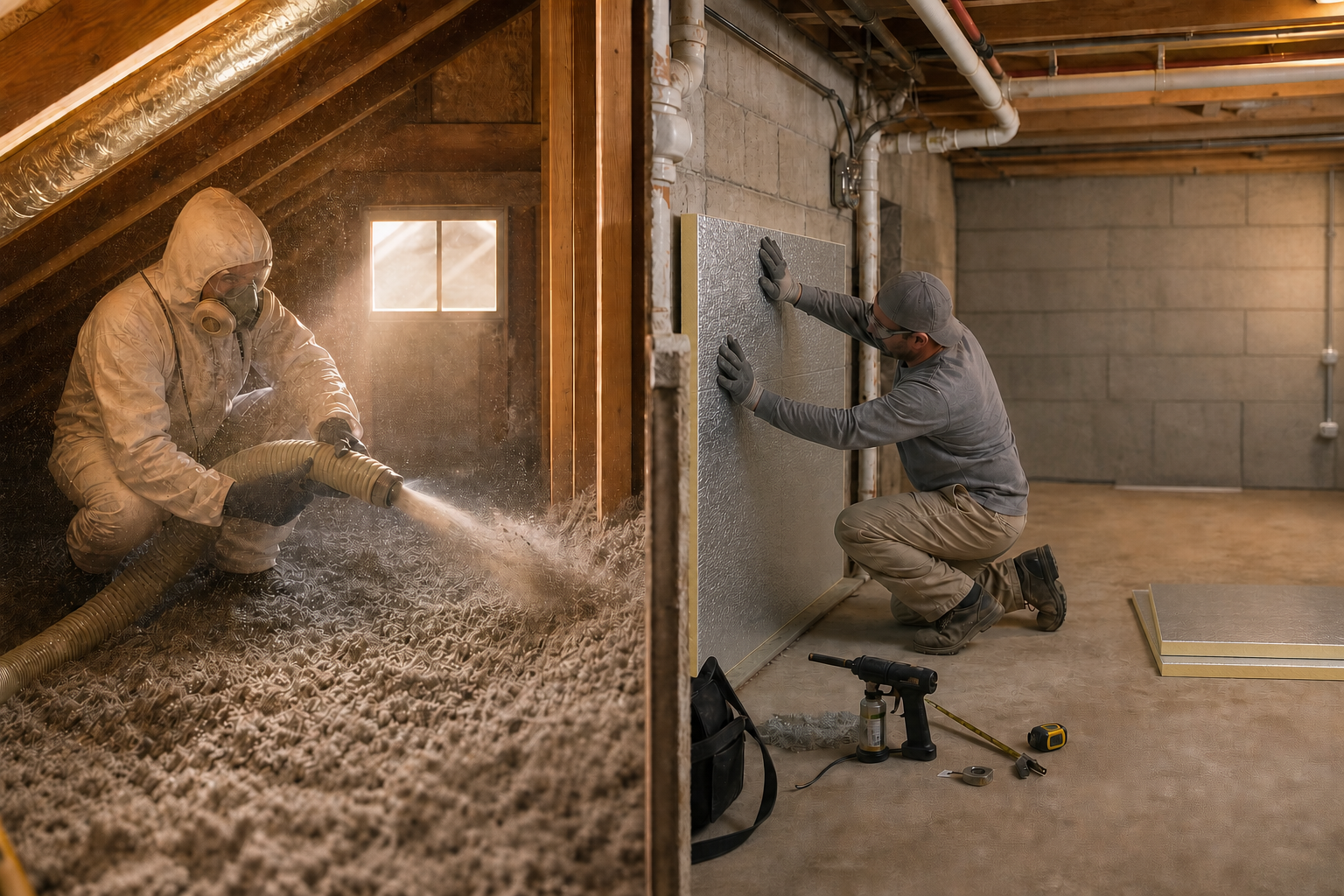
For Western New York's climate, you need attic insulation at R-49 or higher to meet current building performance standards. Dense-pack cellulose and spray foam are two common options, each with trade-offs depending on your attic structure and moisture conditions. You can learn more about types of insulation and where each works in different parts of your home.
Leaky ducts are one of the most overlooked causes of HVAC energy waste. When supply and return ducts run through unconditioned spaces like attics, crawl spaces, or unfinished basements, gaps at joints and connections let conditioned air escape before it reaches your rooms.
According to ENERGY STAR, leaky ductwork can reduce heating and cooling system efficiency by as much as 20%. Sealing those joints and adding duct insulation keeps the air you already paid to heat or cool moving to where it belongs. This single fix often eliminates hot and cold spots that homeowners assume require new equipment.
One of the most common problems Wise Home Energy finds during home energy assessments is improperly sized HVAC equipment. A system that is too large for your home short-cycles, meaning it turns on and off frequently without running long enough to remove humidity or distribute air evenly.
A Manual J calculation measures your home's actual heating and cooling load based on square footage, insulation levels, window types, and air leakage rates. The result is a data-driven equipment recommendation custom to your specific house, not a rule-of-thumb guess based on square footage alone.
Many homes built before 1980 in the Rochester area have little to no wall insulation. In balloon-frame construction, open cavities allow air to move freely between floors, pulling conditioned air out of your living space in winter and letting heat in during summer.
Dense-pack cellulose can be blown into closed wall cavities without removing drywall. This approach fills gaps, slows airflow, and improves the thermal boundary of your building shell. Addressing walls before replacing your HVAC system means the new equipment can be right-sized to a tighter, more efficient building.
Basement rim joists are a frequent source of air leakage in Western New York homes. These are the framing members where your floor system meets the foundation wall, and they are often left uninsulated and unsealed.
Applying closed-cell spray foam to rim joists creates both an air barrier and a thermal barrier in one step. For homes with crawl spaces, insulating the walls rather than the floor overhead typically performs better and reduces moisture risk. These improvements directly reduce the load your HVAC system has to manage.
A blower door test uses a calibrated fan to depressurize your home, measuring exactly how much air leaks through the building envelope. The results give you a specific number, measured in cubic feet per minute at 50 pascals (CFM50), that quantifies your home's overall tightness.
This diagnostic test is the foundation of Wise Home Energy's Whole House Approach. Without it, any upgrade decision is based on assumptions rather than measurements. The test also reveals which areas of the home are losing the most air, so repairs and upgrades can be prioritized where they matter most.
A programmable or smart thermostat can reduce unnecessary runtime by adjusting temperatures when you are asleep or away from home. But the real value of a thermostat upgrade depends on your building's ability to hold temperature once the system cycles off.
If your home loses heat quickly through poor insulation or air leaks, thermostat setbacks may not save as much as you expect. The system has to work harder and run longer to recover. Fixing the envelope first means your thermostat adjustments translate into measurable energy savings rather than just delayed recovery cycles.
Tightening a home through air sealing and insulation is critical, but it needs to be paired with controlled mechanical ventilation. Without a planned fresh air path, indoor air quality can decline as moisture, cooking byproducts, and household chemicals accumulate.
A balanced ventilation system, such as an energy recovery ventilator (ERV), brings in filtered outdoor air while recovering heat from the exhaust stream. This maintains healthy indoor air quality without giving back the energy savings your envelope improvements created. Your tightened building stays efficient and comfortable.
New York homeowners may qualify for rebates and incentives that significantly reduce the cost of energy efficiency upgrades. Programs like the NYS Clean Heat Program, the NYSERDA Comfort Home Program, and the NYSERDA EmPower+ Program offer support for insulation, air sealing, heat pump water heaters, and HVAC installations.
As a BPI GoldStar contractor, Wise Home Energy applies eligible incentives directly to your invoice as instant discounts. This means you see the reduced cost at the time of service, not months later through a mail-in rebate. You can review current rebates and incentives to see what your project may qualify for.
Each of the improvements above targets a specific cause of energy loss. When you address the building envelope, ductwork, and ventilation strategy before replacing HVAC equipment, the new system you install can be smaller, less expensive, and more efficient because it is working with your home, not against it.
Wise Home Energy builds every recommendation on diagnostic data from blower door tests, infrared imaging, and Manual J load calculations. The result is a plan that fits your specific house, not a generic equipment swap. If you are considering a heat pump or furnace replacement, start with a home energy assessment to find out where your home is losing energy and which fixes will deliver the most return.
Schedule a home energy assessment to get a clear picture of your home's performance, learn what you qualify for, and build a plan that makes every upgrade count.
According to ENERGY STAR, air leaks can account for roughly 25% to 40% of the energy used to heat and cool a typical home. Sealing gaps around rim joists, attic penetrations, and ductwork connections reduces that waste directly.
Yes. Adding insulation and air sealing first reduces your home's heating and cooling load. That smaller load allows your contractor to install a correctly sized system, which runs more efficiently and controls humidity better than an oversized unit.
A blower door test measures how much air leaks through your building envelope using a calibrated fan. Wise Home Energy uses this test to identify specific leakage points so every recommendation is based on measured data, not assumptions.
Rooms that are consistently too hot or too cold, excessive dust near registers, and higher-than-expected energy bills can all indicate leaky ductwork. A duct leakage test can confirm the extent of the problem and guide targeted repairs.
New York homeowners may qualify for incentives through the NYS Clean Heat Program, NYSERDA Comfort Home Program, and NYSERDA EmPower+ Program. Wise Home Energy handles the paperwork and applies eligible rebates as instant discounts on your invoice.
Absolutely. Many of these fixes, including air sealing, insulation, and duct sealing, improve your home's efficiency with your current equipment. If replacement is needed later, your home will be ready for a correctly sized, high-performance system.